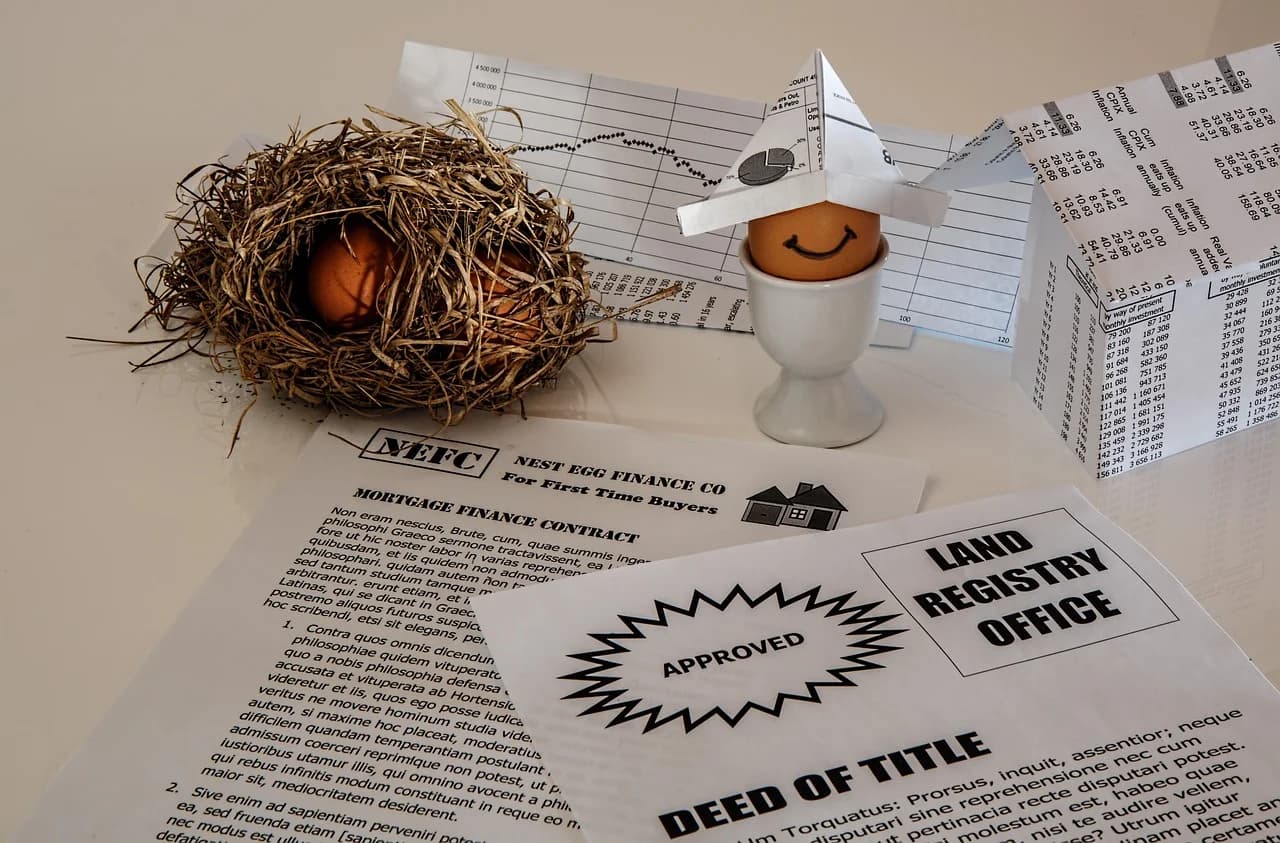

Buying your first home is one of the biggest financial decisions you'll ever make. The Australian property market in 2026 presents both challenges and opportunities for first-time buyers. Whether you're eyeing a unit in Sydney or a house in Brisbane, this guide covers everything you need to know.
Understanding Your Borrowing Power
Before you start scrolling through listings, you need to understand how much you can actually borrow. Lenders assess your borrowing power based on several factors: your income, existing debts, living expenses, and the size of your deposit.
A general rule of thumb is that you can borrow around 5–6 times your annual household income, but this varies significantly between lenders. Getting a pre-approval gives you a clear budget and shows sellers you're serious.
Government Grants and Schemes
The Australian government offers several programs to help first-home buyers get onto the property ladder. Here are the key ones to know about:
- First Home Owner Grant (FHOG): A one-off payment (typically $10,000–$30,000 depending on your state) for buying or building a new home.
- First Home Guarantee: Allows you to buy with as little as 5% deposit without paying Lenders Mortgage Insurance (LMI).
- Help to Buy Scheme: The government contributes up to 40% of the purchase price for new homes (30% for existing), reducing your loan amount significantly.
- Stamp duty concessions: Most states offer reduced or zero stamp duty for first-home buyers under certain price thresholds.
State | FHOG Amount | Property Cap | Stamp Duty Exemption |
|---|---|---|---|
NSW | $10,000 | $600,000 (new) | Up to $800,000 |
VIC | $10,000 | $750,000 (new) | Up to $600,000 |
QLD | $30,000 | $750,000 (new) | Up to $700,000 |
WA | $10,000 | $750,000 (new) | Up to $430,000 |
SA | $15,000 | $650,000 (new) | Up to $650,000 |
These figures are current as of early 2026 and can change with state budgets. Always check with your broker or state revenue office for the latest numbers.
Eligibility Requirements
Each scheme has its own eligibility criteria, but common requirements include being an Australian citizen or permanent resident, being over 18, not having previously owned property in Australia, and meeting income caps.
"The biggest mistake first-home buyers make is not checking their eligibility for government grants early. Some schemes have limited spots and close quickly."
Saving for Your Deposit
While a 20% deposit is ideal (it helps you avoid LMI), it's not always necessary. With the First Home Guarantee, you can purchase with just 5%. Here are some strategies to build your deposit faster:
- First Home Super Saver Scheme: Make voluntary contributions to your super, then withdraw them for your deposit. You get a tax benefit on the way in, potentially saving thousands.
- High-interest savings accounts: Park your deposit funds in a dedicated high-interest account. Even a 0.5% difference compounds over time.
- Rent-vesting: Continue renting where you want to live while buying an investment property in a more affordable area.
- Family guarantee: A parent or family member uses their property equity as security for part of your loan, eliminating the need for a full deposit.
Choosing the Right Home Loan
With hundreds of loan products on the market, choosing the right one can feel overwhelming. Here are the key decisions you'll need to make:
Fixed vs Variable
Fixed-rate loans lock in your repayments for 1 to 5 years, giving you certainty. Variable rates can go up or down, but often come with more features like offset accounts and extra repayment flexibility. Many buyers choose a split loan (part fixed, part variable) to get the best of both worlds. We cover this in detail in our fixed vs variable guide.
Feature | Fixed Rate | Variable Rate |
|---|---|---|
Repayment certainty | Locked in for the term | Can change anytime |
Offset account | Rarely available | Usually included |
Extra repayments | Capped or restricted | Unlimited |
Break costs | Can be significant | None |
Best for | Budgeters and planners | Flexible borrowers |
Comparison Rate
Always look at the comparison rate, not just the advertised rate. The comparison rate includes fees and charges, giving you a truer picture of the loan's total cost. A loan with a low headline rate but high fees can end up costing more than one with a slightly higher rate and no fees.
The Buying Process Step by Step
- Get pre-approved: Know your budget before you start looking.
- Find your property: Attend inspections, research the area, and check comparable sales.
- Make an offer: Either at auction or via private sale. Have your solicitor review the contract first.
- Building and pest inspection: Always get independent inspections. They can reveal costly issues.
- Formal loan approval: Your lender will value the property and finalise your loan.
- Settlement: Typically 30–90 days after exchange. This is when you get the keys.
Common Mistakes to Avoid
After helping thousands of first-home buyers, we see the same mistakes come up again and again. The most common is stretching beyond your comfortable repayment level. Just because a lender will lend you $800,000 doesn't mean you should borrow that much.
Other pitfalls include not budgeting for upfront costs (stamp duty, legal fees, inspections), skipping the building inspection to "save money", and not shopping around for the best loan rate. A mortgage broker can compare dozens of lenders for you at no cost. They're paid by the lender, not you.
Ready to Get Started?
Buying your first home doesn't have to be stressful. With the right preparation and guidance, you can navigate the process with confidence. At LendBuddy, we specialise in helping first-home buyers find the right loan and take advantage of every grant and scheme available. Already own a home and looking at other finance? Check out our car loans, personal loans, or business loans.